hayward top massage for professional relaxation and wellness services
hayward top massage for professional relaxation and wellness services
Blog Article
Discover the Advantages of Massage Treatment: Your Journey to Tranquility and Health
Massage therapy constitutes a expansive approach to enhancing well-being. It stimulates blood circulation and alleviates stress, building both corporeal and spiritual well-being. Assorted practices cater to individual specifications, making it indispensable to understand their distinct benefits. As individuals consider incorporating massage into their health routines, questions arise about preferred choices and desired outcomes. What comprehension can be culled from probing these aspects further?
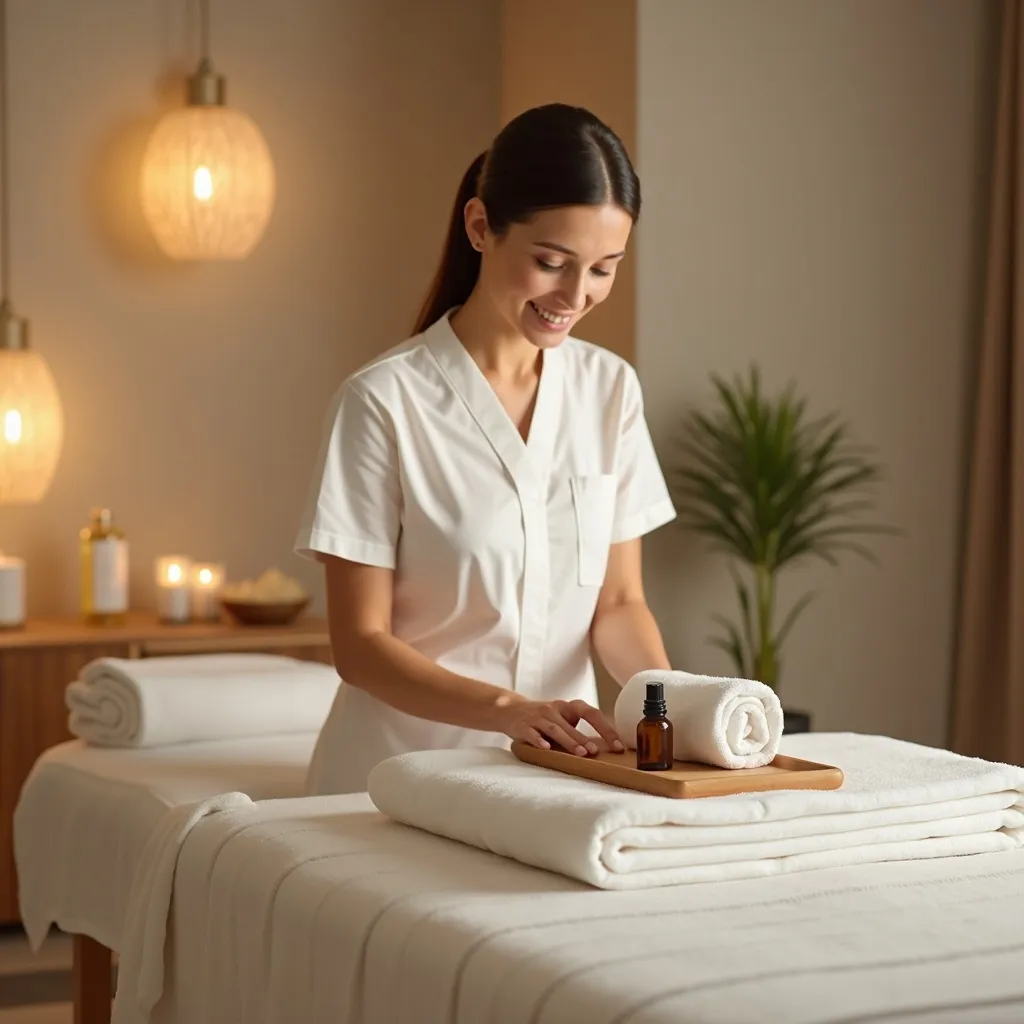
The Science Behind Massage Therapy Benefits
What drives massage therapy to be so powerful in advancing well-being? The scientific foundation backing this approach stems from its ability to modify the body's mental and physical conditions. Massage therapy boosts circulation, improving the supply of essential elements and oxygen to tissues while supporting the expulsion of metabolic byproducts. This enhanced circulation can lead in speedier recovery from bodily harm and lessened muscular tension. Additionally, the physical touch involved in massage triggers the liberation of endorphins, the body's inherent pain relievers, generating a state of comfort and relaxation.
In addition, research confirms that massage therapy can influence the autonomic nervous system, moving it from a state of stress to one of relaxation. This equilibrium helps control heart rate and blood pressure, facilitating overall health. By considering both physical and emotional aspects, massage therapy functions as a holistic approach to improving well-being, making it a significant ally in health management.
The Way Massage Treatment Minimizes Pressure and Nervousness
Massage therapy facilitates an heightened state of relaxation, which can noticeably reduce stress and anxiety. Evidence suggests that it effectively lowers cortisol levels, leading to a more peaceful mental state. Additionally, the practice encourages better emotional control, promoting emotional well-being.
Enhanced Relaxation Response
The calming touch of skilled hands can initiate a profound relaxation response, efficiently reducing stress and anxiety. Massage therapy promotes the analysis release of tension in the muscles, encouraging an overall sense of calm. This physical release aids individuals to feel more grounded, enabling their minds to reach a calm state. Clients often share experiencing a notable reduction in racing thoughts and mental clutter both during and after a session. Moreover, the steady nature of massage can induce a meditative state, boosting emotional well-being. When the body relaxes, the heart rate commonly slows, and breathing deepens and evens out. This deep relaxation response both produces immediate relief and contributes to lasting improvements in stress management and mental health.
Decreased Stress Hormone Output
While many pursue relaxation through various methods, studies indicates that therapeutic massage effectively lowers cortisol levels, a primary stress hormone. High cortisol is often linked to chronic stress, which can result in multiple health problems, including anxiety and depression. Research show that consistent therapeutic massage can considerably reduce these cortisol levels, promoting a state of calm and well-being. This reduction not only eases immediate stress responses but also contributes to long-term health benefits. By lowering cortisol, massage therapy can help individuals manage their stress more successfully, enhancing their overall quality of life. In addition, lower cortisol levels may enhance sleep and strengthen immune function, establishing a holistic approach to wellness and relaxation.
Better Emotional Management
Although several factors affect emotional well-being, research clearly demonstrates that massage therapy contributes significantly to improving emotional control by reducing stress and anxiety. The physiological effects of massage, including increased circulation and muscle relaxation, induce a sense of calm. Studies have shown that regular sessions can lower cortisol, the stress hormone, while additionally increasing serotonin and dopamine, chemical messengers connected to relaxation and happiness. Clients frequently report reduced symptoms of anxiety and depression after treatment, which builds their overall emotional resilience. By tackling both physical and emotional tension, massage therapy functions as a valuable resource for those seeking better mental health and a more balanced mood.
Exploring Massage Therapy Techniques and Their Advantages
Massage therapy incorporates a range of methods, each created to handle specific physical and emotional needs. An assessment of these methods reveals considerable health benefits, ranging from enhanced ease to improved circulation. Learning the different methods can help people pick the most successful approach for their health journey.
Different Categories Of Massage Techniques
The expansive world of therapeutic massage encompasses a variety of techniques, each modified to address specific requirements and desires. Swedish massage is among the most popular modalities, stressing on extended, graceful strokes to cultivate ease. Deep tissue massage explores deeper into muscle layers to mitigate persistent tension. Sports massage emphasizes athletes, advancing athletic performance and facilitating restoration through precision techniques. Shiatsu, a Japanese method, uses finger pressure on specific areas to balance energy flow. Meanwhile, aromatherapy massage fuses essential oils with gentle methods to enhance relaxation and emotional well-being. Finally, prenatal massage is intended for expectant mothers, providing ease and assistance from pregnancy-related discomfort. Each modality presents remarkable experiences and can meet to individual wellness goals.
Health Advantages Review
Looking into the many health benefits of massage therapy highlights its significant impact on physical and mental well-being. Studies indicate that massage can reduce pain, decrease muscle tension, and boost circulation, facilitating faster healing from injuries. It also improves flexibility and range of motion, important for maintaining an active lifestyle. On a psychological level, massage therapy is known to decrease stress and anxiety, contributing to improved mood and overall mental clarity. It also supports better sleep quality, permitting restorative rest. Regular sessions can result in a more balanced state of mind and body, underscoring the importance of incorporating massage therapy into holistic wellness practices. As a result, the advantages of massage therapy extend far beyond basic relaxation.
Ways to Find the Right Massage for Your Purposes
How can someone figure out the most suitable massage type to correspond with personal wellness goals? First, it is essential to identify specific needs, such as relaxation, pain relief, or improved mobility. For stress reduction, Swedish massage may be ideal, stressing gentle techniques that promote relaxation. Conversely, for muscle tension or chronic pain, deep tissue massage targets deeper layers of muscle and connective tissue.
People looking for better athletic performance might benefit from sports massage, which focuses on enhancing flexibility and reducing the risk of injury. Furthermore, those interested in natural approaches could try aromatherapy massages, using essential oils for enhanced relaxation and mood improvement.
Talking to a licensed massage therapist can provide useful knowledge into which techniques suit best for personal aims. By getting to know the multiple varieties of massage and their rewards, individuals can reach sound conclusions that effectively align with their health targets.
Add Massage Therapy Into Your Wellness Routine
Adding therapeutic massage into your wellness routine can substantially enhance overall well-being. Regular appointments can calm anxiety, lower muscular tightness, and enhance circulation, advancing a more balanced lifestyle. By committing moments for therapeutic sessions, people carve out a special place for peace and personal restoration, which can be tremendously valuable in modern life's rapid tempo.
total experience.
Ultimately, integrating massage therapy into a health regimen empowers people to prioritize their well-being, leading to enhanced quality of life and a deeper connection to their physical requirements.
What to Anticipate During Your First-Time Massage Experience
After defining massage therapy as an important part of a wellness routine, people may wonder what their initial session will involve. Generally, the experience commences with a brief consultation where the therapist assesses the client's medical history, preferences, and specific areas of concern. This dialogue ensures a tailored approach customized to individual needs.
Once comfortable, clients are guided to a secluded space and requested to remove their clothing to their comfort level, often under a towel or towel for privacy. The therapist will show methods, describing the procedure and answering any questions. Early movements may feel unfamiliar, but the therapist will modify intensity according to input.
Throughout the appointment, relaxation is the focus, and clients are requested to mention any discomfort. Post-massage, clients typically get aftercare guidance, including hydration advice and suggested flexibility work. Altogether, the first session lays the groundwork for a wellness partnership oriented toward wellness.
Regularly Requested Concerns
How Frequently Should I Get a Massage for Maximum Benefits?
To optimize benefits, individuals should explore getting a massage therapy every four to six weeks. However, how often may change based on personal needs, stress levels, and particular medical issues requiring personalized treatment for optimal outcomes.
Is Massage Therapy Effective For Certain Health Problems?
Massage therapy may support treating certain medical conditions, such as chronic pain, anxiety, and muscle tension. Its therapeutic qualities could support conventional therapies, encouraging overall wellness and accelerating recovery for various conditions.
What Should I Put On Throughout a Massage Appointment?
During a massage appointment, people usually put on loose, comfortable clothing or may choose to undress to their level of comfort. Massage professionals provide draping for privacy, guaranteeing relaxation while upholding professional standards throughout the session.
Do Massage Therapy Have Any Potential Drawbacks?
Massage therapy may produce minor complications, consisting of temporary soreness, marks, or fatigue. Individuals with particular health concerns could suffer more significant reactions, therefore consulting a physician beforehand is advisable for personalized guidance.
Where Should I Search to Find a Qualified Massage Therapist?
To locate a competent therapeutic massage professional, people should request recommendations from reliable sources, check qualifications, review online feedback, and validate licenses. Consultation prior to booking can also help determine compatibility and expertise.
Report this page